Special Offer

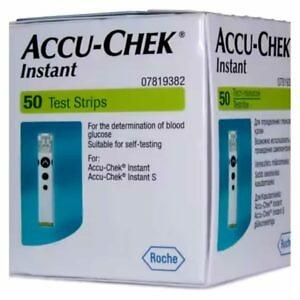
Accu-Chek Instant Blood Glucose Test Strips, 50 Test Strips

19,500.00 25,000.00
Original price was: ₦25,000.00.Current price is: ₦19,500.00. or subscribe and save 10%

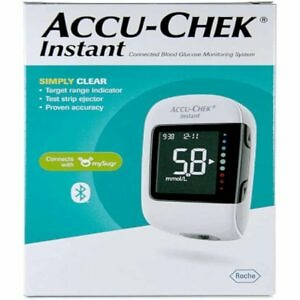
Accu-Chek Instant Blood Glucose Monitoring System

30,500.00 34,990.00
Original price was: ₦34,990.00.Current price is: ₦30,500.00.

Recent Posts


Sale!
-13%

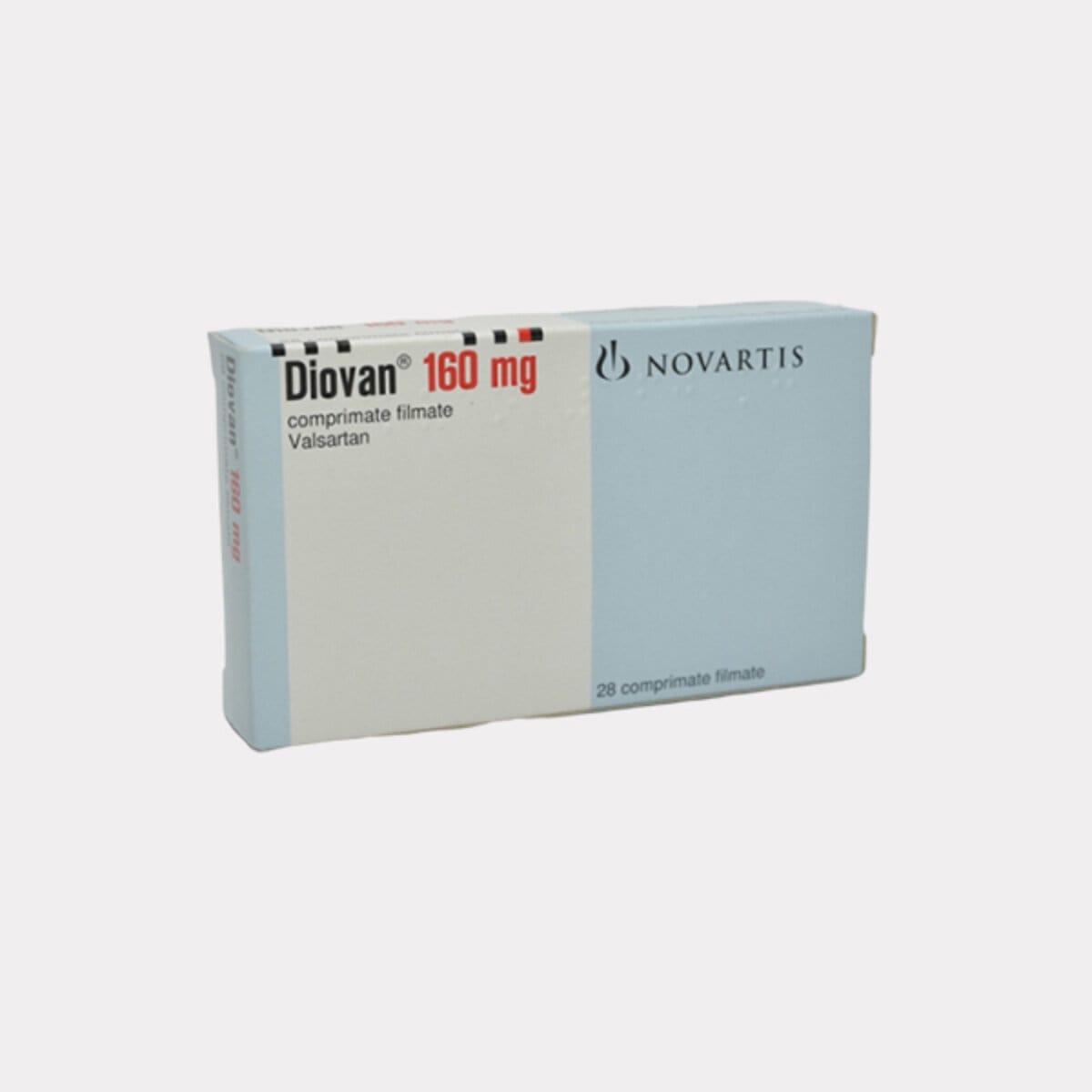
Diovan 160mg Tablets, 28 tablets

✓ Contains 160mg valsartan per tablet

✓ Helps lower high blood pressure

✓ Helps relax and widen blood vessels

✓ Reduces resistance against blood flow

✓ May support the management of certain heart conditions

✓ Convenient prescription tablet treatment

✓ Authentic medicine from Asset Pharmacy

✓ Prescription required – pharmacist review included

Original price was: ₦11,650.00.Current price is: ₦10,200.00.

Out of stock

EAN: N/A
Tags: No Tags

Description

Diovan 160mg Tablets

Diovan 160mg Tablets contain valsartan a prescription medicine used to treat high blood pressure and certain heart conditions including heart failure and recovery after a heart attack. Valsartan works by blocking the action of angiotensin II a natural substance that causes blood vessels to tighten helping the blood vessels relax improve blood flow lower blood pressure and reduce strain on the heart. Widely prescribed in Nigeria for cardiovascular care Diovan 160mg Tablets are Available from Asset Pharmacy a trusted PCN – Registered pharmacy supplying authentic prescription medicines with pharmacist support and nationwide delivery across Nigeria.


Benefits

Helps lower high blood pressure

Helps reduce resistance within the blood vessels

Supports easier blood flow around the body

Helps reduce strain on the heart

May support the management of certain cases of heart failure

May be prescribed following a heart attack in suitable patients

Supports long-term cardiovascular management when used as prescribed

How To Take

Take Diovan exactly as prescribed by your doctor or healthcare professional

Swallow the tablet with water

It may be taken with or without food

Take the medicine at approximately the same time each day

The prescribed dose depends on your medical condition and response to treatment

Do not take more than the prescribed dose

Do not stop taking Diovan without speaking to your doctor

Side Effects

Dizziness may occur

Headache may occur

Low blood pressure may occur

Tiredness or weakness may occur

Changes in kidney function may occur

Increased potassium levels may occur

Nausea or abdominal discomfort may occur

Seek urgent medical attention if you develop swelling of the face, lips, tongue or throat, severe breathing difficulty or signs of a serious allergic reaction.

Cautions

Do not take Diovan if you are allergic to valsartan or any of the tablet ingredients

Do not use during pregnancy, particularly after the third month, because medicines acting on the renin-angiotensin system can harm the unborn baby

Tell your doctor if you have kidney or liver problems

Tell your doctor if you have high potassium levels

Tell your doctor if you are dehydrated or taking water tablets

Tell your doctor about all other medicines you are taking, especially potassium supplements, lithium, other blood pressure medicines or anti-inflammatory painkillers

Diovan may cause dizziness, particularly when treatment begins or the dose is increased

Keep out of reach of children

Prescription required – pharmacist review included.

Why Buy From Asset Pharmacy?

Trusted PCN-registered pharmacy

Authentic prescription medicines supplied

Professional pharmacist review included

Secure ordering and reliable customer service

Nationwide delivery available across Nigeria

FAQ

What are Diovan 160mg Tablets used for?

Diovan 160mg Tablets are mainly used to treat high blood pressure. They may also be prescribed for certain patients with heart failure or following a recent heart attack.

What is the active ingredient in Diovan 160mg Tablets?

The active ingredient is valsartan. Each tablet contains 160mg of valsartan.

How do Diovan 160mg Tablets work?

Diovan blocks the effects of angiotensin II, a substance that causes blood vessels to tighten. This helps the blood vessels relax and lowers blood pressure.

How should I take Diovan 160mg Tablets?

Take Diovan exactly as prescribed by your doctor. It is swallowed with water and may be taken with or without food.

Can Diovan 160mg Tablets cause dizziness?

Yes. Dizziness may occur, particularly when you first start treatment or when your dose is changed.

Can I take Diovan during pregnancy?

Diovan should not be used during pregnancy, especially after the third month, because it may harm the unborn baby. Speak to your doctor immediately if you become pregnant.

What are the common side effects of Diovan?

Possible side effects include dizziness, low blood pressure, tiredness, headache, increased potassium levels and changes in kidney function.

Can I stop taking Diovan when my blood pressure improves?

No. Continue taking Diovan for as long as your doctor recommends. Stopping treatment may cause your blood pressure to rise again.

Where can I buy Diovan 160mg Tablets in Nigeria?

You can order Diovan 160mg Tablets from Asset Pharmacy, a trusted PCN-registered pharmacy providing pharmacist review and nationwide delivery across Nigeria.

Do I need a prescription for Diovan 160mg Tablets?

Yes. Diovan 160mg Tablets are prescription medicines. A valid prescription and pharmacist review are required before supply.

Additional information

Brand

Diovan

How to Use

How to use Diovan 160mg

Always take this medicine exactly as your doctor or pharmacist has told you. Check with your doctor
or pharmacist if you are not sure. People with high blood pressure often do not notice any signs of
this problem. Many may feel quite normal. This makes it all the more important for you to keep your
appointments with the doctor even if you are feeling well.
Use in children and adolescents (6 to 18 years of age) with high blood pressure: In patients who
weigh less than 35 kg the usual dose is 40 mg of valsartan once daily. In patients who weigh 35 kg or
more the usual starting dose is 80 mg of valsartan once daily. In some cases your doctor may
prescribe higher doses (the dose can be increased to 160 mg and to a maximum of 320 mg).
Use in adult patients after a recent heart attack: After a heart attack the treatment is generally
started as early as after 12 hours, usually at a low dose of 20 mg twice daily. It is not possible to
obtain the 20 mg dose with Valsartan hard capsules. The 20 mg dose should be obtained by dividing a
40 mg divisible tablet. Your doctor will increase this dose gradually over several weeks to a
maximum of 160 mg twice daily. The final dose depends on what you as an individual patient can
tolerate.
Valsartan can be given together with other treatment for heart attack, and your doctor will decide
which treatment is suitable for you.
Use in adult patients with heart failure: Treatment starts generally with 40 mg twice daily. Your
doctor will increase the dose gradually over several weeks to a maximum of 160 mg twice daily. The
final dose depends on what you as an individual patient can tolerate. Valsartan can be given together
with other treatment for heart failure, and your doctor will decide which treatment is suitable for you.
Use in adult patients with high blood pressure: The usual dose is 80 mg daily. In some cases your
doctor may prescribe higher doses (e.g. 160 mg or 320 mg). He may also combine Valsartan with an
additional medicine (e.g. a diuretic).
You can take Valsartan with or without food. Swallow Valsartan with a glass of water.
Take Valsartan at about the same time each day.
If you take more Valsartan than you should
If you experience severe dizziness and/or fainting, lie down and contact your doctor immediately. If
you have accidentally taken too many tablets, contact your doctor, pharmacist, or hospital.
If you forget to take Valsartan
Do not take a double dose to make up for a forgotten dose.
If you forget to take a dose, take it as soon as you remember. However, if it is almost time for your
next dose, skip the dose you missed.
If you stop taking Valsartan
Stopping your treatment with Valsartan may cause your disease to get worse. Do not stop taking your
medicine unless your doctor tells you to.
If you have further questions on the use of this medicine, ask your doctor or pharmacist.

Product Details

Product Information of Diovan 160mg

What do you need to know before you take Diovan 160mg
Do not take Valsartan
• if you are allergic to valsartan or any of the other ingredients of this medicine (listed in
section 6).
• if you have severe liver disease.
• if you are more than 3 months pregnant (it is also better to avoid Valsartan in early
pregnancy – see pregnancy section).
• if you have diabetes or impaired kidney function and you are treated with a blood pressurelowering medicine containing aliskiren.
If any of these apply to you, do not take Valsartan.
Warnings and precautions
Talk to your doctor or pharmacist before taking Valsartan if any of the following apply to you.
• If you have liver disease.
• If you have severe kidney disease or if you are undergoing dialysis.
• If you are suffering from a narrowing of the kidney artery.
• If you have recently undergone kidney transplantation (received a new kidney).
• If you are treated after a heart attack or for heart failure, your doctor may check your kidney
function.
• If you have severe heart disease other than heart failure or heart attack.
• If you have ever experienced swelling of the tongue, throat and face caused by an allergic
reaction called angioedema when taking another drug (including ‘ACE inhibitors’), tell your
doctor. If these symptoms occur when you are taking valsartan, stop taking valsartan
immediately and do not take it again. See also section 4 of this leaflet ‘Possible side effects’.
• If you are taking medicines that increase the amount of potassium in your blood. These
include potassium supplements or salt substitutes containing potassium, potassium-sparing
medicines and heparin.
• If you suffer from aldosteronism. This is a disease in which your adrenal glands make too
much of the hormone aldosterone. If this applies to you, the use of Valsartan is not
recommended.
• If you have lost a lot of fluid (dehydration) caused by diarrhoea, vomiting, or high doses of
water tablets (diuretics).
• If you are taking any of the following medicines used to treat high blood pressure:
– an ACE inhibitor (for example enalapril, Lisinopril, Ramipril), in particular if you have
diabetes-related kidney problems.
– aliskiren.

If you are being treated with an ACE inhibitor together with certain other medicines to treat
your heart failure, which are known as mineralocorticoid receptor antagonists (MRA) (for
example spironolactone, eplerenone) or beta-blockers (for example matoprolol).
• You must tell your doctor if you think you are (or might become) pregnant. Valsartan is not
recommended in early pregnancy, and must not be taken if you are more than 3 months
pregnant, as it may cause serious harm to your baby if used at that stage (see pregnancy
section).
Your doctor may check your kidney function, blood pressure, and the amount of electrolytes (e.g.
potassium) in your blood at regular intervals.
See also information under the heading ‘Do not take Valsartan’.
Children and adolescents
If you are below 18 years of age and you take Valsartan in combination with other medicines that
inhibit the renin angiotensin aldosterone system (medicines that lower blood pressure), your doctor
may check your kidney function and the amount of potassium in your blood at regular intervals.
Other medicines and Valsartan
Tell your doctor or pharmacist if you are taking, have recently taken or might take any other
medicines.
The effect of the treatment can be influenced if Valsartan is taken together with certain other
medicines. It may be necessary to change the dose, to take other precautions, or in some cases to stop
taking one of the medicines. This applies to both prescription and non-prescription medicines,
especially:
• other medicines that lower blood pressure, especially water tablets (diuretics), ACE
inhibitors or aliskiren.
• medicines that increase the amount of potassium in your blood. These include potassium
supplements or salt substitutes containing potassium, potassium-sparing medicines and
heparin.
• certain type of pain killers called non-steroidal anti-inflammatory medicines (NSAIDs).
• some antibiotics (rifamycin group), a drug used to protect against transplant rejection
(ciclosporin) or an antiretroviral drug used to treat HIV/AIDS infection (ritonavir). These
drugs may increase the effect of Valsartan.
• lithium, a medicine used to treat some types of psychiatric illness.
In addition:
• if you are being treated after a heart attack, a combination with ACE inhibitors (a
medication to treat heart attack) is not recommended.
• if you are being treated for heart failure, a triple combination with ACE inhibitors and
beta blockers (medications to treat heart failure) is not recommended.
Your doctor may need to change your dose and/or to take other precautions:
• if you are taking an ACE inhibitor or aliskiren (see also information under the headings ‘Do
not take Valsartan’ and ‘Warnings and precautions’)
• if you are being treated with an ACE inhibitor together with certain other medicines to treat
your heart failure, which are known as mineralocorticoid receptors antagonists (MRA) (for
example spironolactone, eplerenone) or beta-blockers (for example metoprolol).
Valsartan with food and drink
You can take Valsartan with or without food.
Pregnancy and breast-feeding
Ask your doctor or pharmacist for advice before taking this medicine.
• You must tell your doctor if you think that you are (or might become) pregnant. Your
doctor will normally advise you to stop taking Valsartan before you become pregnant or as
soon as you know you are pregnant, and will advise you to take another medicine instead of
Valsartan. Valsartan is not recommended in early pregnancy, and must not be taken when
more than 3 months pregnant, as it may cause serious harm to your baby if it is used after the
third month of pregnancy.
• Tell your doctor if you are breast-feeding or about to start breast-feeding. Valsartan is
not recommended for mothers who are breast-feeding, and your doctor may choose another
treatment for you if you wish to breast-feed, especially if your baby is newborn, or was born
prematurely.
Driving and using machines
Before you drive a vehicle, use tools or operate machines, or carry out other activities that require
concentration, make sure you know how Valsartan affects you. Like many other medicines used to
treat high blood pressure, Valsartan may in rare cases cause dizziness and affect the ability to concentrate

Side Effects

Side Effects of Diovan 160mg

Like all medicines, Diovan 160mg can cause side effects, although not everybody gets them.
These side effects may occur with certain frequencies, which are defined as follows:
very common: may affect more than 1 in 10 people
common: may affect up to 1 in 10 people
uncommon: may affect up to 1 in 100 people
rare: may affect up to 1 in 1,000 people
very rare: may affect up to 1 in 10,000 people
not known: frequency cannot be estimated from the available data.
Some symptoms need immediate medical attention:
You may experience symptoms of angioedema (a specific allergic reaction), such as:
• swollen face, lips, tongue or throat
• difficulty in swallowing
• hives and difficulties in breathing

Other side effects include:
Common:
• dizziness
• low blood pressure with or without symptoms such as dizziness and fainting when standing
up
• decreased kidney function (signs of renal impairment).
Uncommon:
• angioedema (see section ‘Some symptoms need immediate medical attention’)
• sudden loss of consciousness (syncope)
• spinning sensation (vertigo)
• severely decreased kidney function (signs of acute renal failure)
• muscle spasms, abnormal heart rhythm (signs of hyperkalaemia)
• breathlessness, difficulty breathing when lying down, swelling of the feet or legs (signs of
cardiac failure)
• headache
• cough
• abdominal pain
• nausea
• diarrhoea
• tiredness
• weakness.
Not known:
• blistering skin (sign of dermatitis bullous)
• allergic reactions with rash, itching and hives; symptoms of fever, swollen joint and joint
pain, muscle pain, swollen lymph nodes and/or flu-like symptoms may occur (signs of serum
sickness)
• purplish-red spots, fever, itching (signs of inflammation of blood vessels also called
vasculitis)
• unusual bleeding or bruising (signs of thrombocytopenia)
• muscle pain (myalgia)
• fever, sore throat or mouth ulcers due to infections (symptoms of low level of white blood
cells also called neutropenia)
• decrease of level of haemoglobin and decrease of the percentage of red blood cells in the
blood (which can, in severe cases, lead to anaemia )
• increase of level of potassium in the blood (which can, in severe cases, trigger muscle
spasms, abnormal heart rhythm)
• elevation of liver function values (which can indicate liver damage) including an increase of
bilirubin in the blood (which can, in severe cases, trigger yellow skin and eyes)
• increase of level of blood urea nitrogen and increase of level of serum creatinine (which can
indicate abnormal kidney function)
• low level of sodium in the blood (which can trigger tiredness, confusion, muscle twitching
and/or convulsions in severe cases).
The frequency of some side effects may vary depending on your condition. For example, side effects
such as dizziness, and decreased kidney function, were seen less frequently in patients treated with
high blood pressure than in patients treated for heart failure or after a recent heart attack.
Side effects in children and adolescents are similar to those seen in adults.
Reporting of side effects
If you get any side effects, talk to your doctor or pharmacist. This includes any possible side effects
not listed in this leaflet.


Ingredients

Product Ingredients of Diovan 160mg

What Diovan 160mg contains
The active substance is valsartan. One capsule contains 160 mg

The other ingredients are microcrystalline cellulose, crospovidone (type A), sodium laurilsulfate, povidone, colloidal anhydrous silica, magnesium stearate.
In addition the capsule shells contain iron oxide black (E172), titanium dioxide (E171), gelatin,
sodium laurilsulfate, shellac, dehydrated alcohol, isopropyl alcohol, butyl alcohol, propylene glycol,
concentrated ammonia solution and potassium hydroxide

Patient Information Leaflet

Click here  for the Patient Information Leaflet

Prescription Product

This product requires a prescription from your Doctor.

Please follow the instruction received from the pharmacy on how to forward your prescription to the pharmacy after you have paid for the medicine.

A prescription drug is a pharmaceutical medication that legally requires a medical prescription to be dispensed.
To order this product you confirm that you are under the care of your doctor or consultant and have been given permission by them for purchase, fulfillment & use in treatment with their written consent

Delivery

Delievry time are estimates. Can vary due to the time of day you order.

Delivery time estimate are subject to the courier company.

Shipping to Lagos cost starts from N1850 Next day delivery

Shipping to Rest Of Nigeria – 2-3 days cost starts from N2000

Shipping to Rest of Africa –  5-7 working days Cost starts from N12000

Shipping to Europe 7 – 14 working days Cost srats from N18000

Shipping to Rest of the world – 7 – 14 days Cost starts from N18000

Description

Diovan 160mg Tablets

Diovan 160mg Tablets contain valsartan a prescription medicine used to treat high blood pressure and certain heart conditions including heart failure and recovery after a heart attack. Valsartan works by blocking the action of angiotensin II a natural substance that causes blood vessels to tighten helping the blood vessels relax improve blood flow lower blood pressure and reduce strain on the heart. Widely prescribed in Nigeria for cardiovascular care Diovan 160mg Tablets are Available from Asset Pharmacy a trusted PCN – Registered pharmacy supplying authentic prescription medicines with pharmacist support and nationwide delivery across Nigeria.


Benefits

Helps lower high blood pressure

Helps reduce resistance within the blood vessels

Supports easier blood flow around the body

Helps reduce strain on the heart

May support the management of certain cases of heart failure

May be prescribed following a heart attack in suitable patients

Supports long-term cardiovascular management when used as prescribed

How To Take

Take Diovan exactly as prescribed by your doctor or healthcare professional

Swallow the tablet with water

It may be taken with or without food

Take the medicine at approximately the same time each day

The prescribed dose depends on your medical condition and response to treatment

Do not take more than the prescribed dose

Do not stop taking Diovan without speaking to your doctor

Side Effects

Dizziness may occur

Headache may occur

Low blood pressure may occur

Tiredness or weakness may occur

Changes in kidney function may occur

Increased potassium levels may occur

Nausea or abdominal discomfort may occur

Seek urgent medical attention if you develop swelling of the face, lips, tongue or throat, severe breathing difficulty or signs of a serious allergic reaction.

Cautions

Do not take Diovan if you are allergic to valsartan or any of the tablet ingredients

Do not use during pregnancy, particularly after the third month, because medicines acting on the renin-angiotensin system can harm the unborn baby

Tell your doctor if you have kidney or liver problems

Tell your doctor if you have high potassium levels

Tell your doctor if you are dehydrated or taking water tablets

Tell your doctor about all other medicines you are taking, especially potassium supplements, lithium, other blood pressure medicines or anti-inflammatory painkillers

Diovan may cause dizziness, particularly when treatment begins or the dose is increased

Keep out of reach of children

Prescription required – pharmacist review included.

Why Buy From Asset Pharmacy?

Trusted PCN-registered pharmacy

Authentic prescription medicines supplied

Professional pharmacist review included

Secure ordering and reliable customer service

Nationwide delivery available across Nigeria

FAQ

What are Diovan 160mg Tablets used for?

Diovan 160mg Tablets are mainly used to treat high blood pressure. They may also be prescribed for certain patients with heart failure or following a recent heart attack.

What is the active ingredient in Diovan 160mg Tablets?

The active ingredient is valsartan. Each tablet contains 160mg of valsartan.

How do Diovan 160mg Tablets work?

Diovan blocks the effects of angiotensin II, a substance that causes blood vessels to tighten. This helps the blood vessels relax and lowers blood pressure.

How should I take Diovan 160mg Tablets?

Take Diovan exactly as prescribed by your doctor. It is swallowed with water and may be taken with or without food.

Can Diovan 160mg Tablets cause dizziness?

Yes. Dizziness may occur, particularly when you first start treatment or when your dose is changed.

Can I take Diovan during pregnancy?

Diovan should not be used during pregnancy, especially after the third month, because it may harm the unborn baby. Speak to your doctor immediately if you become pregnant.

What are the common side effects of Diovan?

Possible side effects include dizziness, low blood pressure, tiredness, headache, increased potassium levels and changes in kidney function.

Can I stop taking Diovan when my blood pressure improves?

No. Continue taking Diovan for as long as your doctor recommends. Stopping treatment may cause your blood pressure to rise again.

Where can I buy Diovan 160mg Tablets in Nigeria?

You can order Diovan 160mg Tablets from Asset Pharmacy, a trusted PCN-registered pharmacy providing pharmacist review and nationwide delivery across Nigeria.

Do I need a prescription for Diovan 160mg Tablets?

Yes. Diovan 160mg Tablets are prescription medicines. A valid prescription and pharmacist review are required before supply.

Additional information

Brand

Diovan

How to Use

How to use Diovan 160mg

Always take this medicine exactly as your doctor or pharmacist has told you. Check with your doctor
or pharmacist if you are not sure. People with high blood pressure often do not notice any signs of
this problem. Many may feel quite normal. This makes it all the more important for you to keep your
appointments with the doctor even if you are feeling well.
Use in children and adolescents (6 to 18 years of age) with high blood pressure: In patients who
weigh less than 35 kg the usual dose is 40 mg of valsartan once daily. In patients who weigh 35 kg or
more the usual starting dose is 80 mg of valsartan once daily. In some cases your doctor may
prescribe higher doses (the dose can be increased to 160 mg and to a maximum of 320 mg).
Use in adult patients after a recent heart attack: After a heart attack the treatment is generally
started as early as after 12 hours, usually at a low dose of 20 mg twice daily. It is not possible to
obtain the 20 mg dose with Valsartan hard capsules. The 20 mg dose should be obtained by dividing a
40 mg divisible tablet. Your doctor will increase this dose gradually over several weeks to a
maximum of 160 mg twice daily. The final dose depends on what you as an individual patient can
tolerate.
Valsartan can be given together with other treatment for heart attack, and your doctor will decide
which treatment is suitable for you.
Use in adult patients with heart failure: Treatment starts generally with 40 mg twice daily. Your
doctor will increase the dose gradually over several weeks to a maximum of 160 mg twice daily. The
final dose depends on what you as an individual patient can tolerate. Valsartan can be given together
with other treatment for heart failure, and your doctor will decide which treatment is suitable for you.
Use in adult patients with high blood pressure: The usual dose is 80 mg daily. In some cases your
doctor may prescribe higher doses (e.g. 160 mg or 320 mg). He may also combine Valsartan with an
additional medicine (e.g. a diuretic).
You can take Valsartan with or without food. Swallow Valsartan with a glass of water.
Take Valsartan at about the same time each day.
If you take more Valsartan than you should
If you experience severe dizziness and/or fainting, lie down and contact your doctor immediately. If
you have accidentally taken too many tablets, contact your doctor, pharmacist, or hospital.
If you forget to take Valsartan
Do not take a double dose to make up for a forgotten dose.
If you forget to take a dose, take it as soon as you remember. However, if it is almost time for your
next dose, skip the dose you missed.
If you stop taking Valsartan
Stopping your treatment with Valsartan may cause your disease to get worse. Do not stop taking your
medicine unless your doctor tells you to.
If you have further questions on the use of this medicine, ask your doctor or pharmacist.

Product Details

Product Information of Diovan 160mg

What do you need to know before you take Diovan 160mg
Do not take Valsartan
• if you are allergic to valsartan or any of the other ingredients of this medicine (listed in
section 6).
• if you have severe liver disease.
• if you are more than 3 months pregnant (it is also better to avoid Valsartan in early
pregnancy – see pregnancy section).
• if you have diabetes or impaired kidney function and you are treated with a blood pressurelowering medicine containing aliskiren.
If any of these apply to you, do not take Valsartan.
Warnings and precautions
Talk to your doctor or pharmacist before taking Valsartan if any of the following apply to you.
• If you have liver disease.
• If you have severe kidney disease or if you are undergoing dialysis.
• If you are suffering from a narrowing of the kidney artery.
• If you have recently undergone kidney transplantation (received a new kidney).
• If you are treated after a heart attack or for heart failure, your doctor may check your kidney
function.
• If you have severe heart disease other than heart failure or heart attack.
• If you have ever experienced swelling of the tongue, throat and face caused by an allergic
reaction called angioedema when taking another drug (including ‘ACE inhibitors’), tell your
doctor. If these symptoms occur when you are taking valsartan, stop taking valsartan
immediately and do not take it again. See also section 4 of this leaflet ‘Possible side effects’.
• If you are taking medicines that increase the amount of potassium in your blood. These
include potassium supplements or salt substitutes containing potassium, potassium-sparing
medicines and heparin.
• If you suffer from aldosteronism. This is a disease in which your adrenal glands make too
much of the hormone aldosterone. If this applies to you, the use of Valsartan is not
recommended.
• If you have lost a lot of fluid (dehydration) caused by diarrhoea, vomiting, or high doses of
water tablets (diuretics).
• If you are taking any of the following medicines used to treat high blood pressure:
– an ACE inhibitor (for example enalapril, Lisinopril, Ramipril), in particular if you have
diabetes-related kidney problems.
– aliskiren.

If you are being treated with an ACE inhibitor together with certain other medicines to treat
your heart failure, which are known as mineralocorticoid receptor antagonists (MRA) (for
example spironolactone, eplerenone) or beta-blockers (for example matoprolol).
• You must tell your doctor if you think you are (or might become) pregnant. Valsartan is not
recommended in early pregnancy, and must not be taken if you are more than 3 months
pregnant, as it may cause serious harm to your baby if used at that stage (see pregnancy
section).
Your doctor may check your kidney function, blood pressure, and the amount of electrolytes (e.g.
potassium) in your blood at regular intervals.
See also information under the heading ‘Do not take Valsartan’.
Children and adolescents
If you are below 18 years of age and you take Valsartan in combination with other medicines that
inhibit the renin angiotensin aldosterone system (medicines that lower blood pressure), your doctor
may check your kidney function and the amount of potassium in your blood at regular intervals.
Other medicines and Valsartan
Tell your doctor or pharmacist if you are taking, have recently taken or might take any other
medicines.
The effect of the treatment can be influenced if Valsartan is taken together with certain other
medicines. It may be necessary to change the dose, to take other precautions, or in some cases to stop
taking one of the medicines. This applies to both prescription and non-prescription medicines,
especially:
• other medicines that lower blood pressure, especially water tablets (diuretics), ACE
inhibitors or aliskiren.
• medicines that increase the amount of potassium in your blood. These include potassium
supplements or salt substitutes containing potassium, potassium-sparing medicines and
heparin.
• certain type of pain killers called non-steroidal anti-inflammatory medicines (NSAIDs).
• some antibiotics (rifamycin group), a drug used to protect against transplant rejection
(ciclosporin) or an antiretroviral drug used to treat HIV/AIDS infection (ritonavir). These
drugs may increase the effect of Valsartan.
• lithium, a medicine used to treat some types of psychiatric illness.
In addition:
• if you are being treated after a heart attack, a combination with ACE inhibitors (a
medication to treat heart attack) is not recommended.
• if you are being treated for heart failure, a triple combination with ACE inhibitors and
beta blockers (medications to treat heart failure) is not recommended.
Your doctor may need to change your dose and/or to take other precautions:
• if you are taking an ACE inhibitor or aliskiren (see also information under the headings ‘Do
not take Valsartan’ and ‘Warnings and precautions’)
• if you are being treated with an ACE inhibitor together with certain other medicines to treat
your heart failure, which are known as mineralocorticoid receptors antagonists (MRA) (for
example spironolactone, eplerenone) or beta-blockers (for example metoprolol).
Valsartan with food and drink
You can take Valsartan with or without food.
Pregnancy and breast-feeding
Ask your doctor or pharmacist for advice before taking this medicine.
• You must tell your doctor if you think that you are (or might become) pregnant. Your
doctor will normally advise you to stop taking Valsartan before you become pregnant or as
soon as you know you are pregnant, and will advise you to take another medicine instead of
Valsartan. Valsartan is not recommended in early pregnancy, and must not be taken when
more than 3 months pregnant, as it may cause serious harm to your baby if it is used after the
third month of pregnancy.
• Tell your doctor if you are breast-feeding or about to start breast-feeding. Valsartan is
not recommended for mothers who are breast-feeding, and your doctor may choose another
treatment for you if you wish to breast-feed, especially if your baby is newborn, or was born
prematurely.
Driving and using machines
Before you drive a vehicle, use tools or operate machines, or carry out other activities that require
concentration, make sure you know how Valsartan affects you. Like many other medicines used to
treat high blood pressure, Valsartan may in rare cases cause dizziness and affect the ability to concentrate

Side Effects

Side Effects of Diovan 160mg

Like all medicines, Diovan 160mg can cause side effects, although not everybody gets them.
These side effects may occur with certain frequencies, which are defined as follows:
very common: may affect more than 1 in 10 people
common: may affect up to 1 in 10 people
uncommon: may affect up to 1 in 100 people
rare: may affect up to 1 in 1,000 people
very rare: may affect up to 1 in 10,000 people
not known: frequency cannot be estimated from the available data.
Some symptoms need immediate medical attention:
You may experience symptoms of angioedema (a specific allergic reaction), such as:
• swollen face, lips, tongue or throat
• difficulty in swallowing
• hives and difficulties in breathing

Other side effects include:
Common:
• dizziness
• low blood pressure with or without symptoms such as dizziness and fainting when standing
up
• decreased kidney function (signs of renal impairment).
Uncommon:
• angioedema (see section ‘Some symptoms need immediate medical attention’)
• sudden loss of consciousness (syncope)
• spinning sensation (vertigo)
• severely decreased kidney function (signs of acute renal failure)
• muscle spasms, abnormal heart rhythm (signs of hyperkalaemia)
• breathlessness, difficulty breathing when lying down, swelling of the feet or legs (signs of
cardiac failure)
• headache
• cough
• abdominal pain
• nausea
• diarrhoea
• tiredness
• weakness.
Not known:
• blistering skin (sign of dermatitis bullous)
• allergic reactions with rash, itching and hives; symptoms of fever, swollen joint and joint
pain, muscle pain, swollen lymph nodes and/or flu-like symptoms may occur (signs of serum
sickness)
• purplish-red spots, fever, itching (signs of inflammation of blood vessels also called
vasculitis)
• unusual bleeding or bruising (signs of thrombocytopenia)
• muscle pain (myalgia)
• fever, sore throat or mouth ulcers due to infections (symptoms of low level of white blood
cells also called neutropenia)
• decrease of level of haemoglobin and decrease of the percentage of red blood cells in the
blood (which can, in severe cases, lead to anaemia )
• increase of level of potassium in the blood (which can, in severe cases, trigger muscle
spasms, abnormal heart rhythm)
• elevation of liver function values (which can indicate liver damage) including an increase of
bilirubin in the blood (which can, in severe cases, trigger yellow skin and eyes)
• increase of level of blood urea nitrogen and increase of level of serum creatinine (which can
indicate abnormal kidney function)
• low level of sodium in the blood (which can trigger tiredness, confusion, muscle twitching
and/or convulsions in severe cases).
The frequency of some side effects may vary depending on your condition. For example, side effects
such as dizziness, and decreased kidney function, were seen less frequently in patients treated with
high blood pressure than in patients treated for heart failure or after a recent heart attack.
Side effects in children and adolescents are similar to those seen in adults.
Reporting of side effects
If you get any side effects, talk to your doctor or pharmacist. This includes any possible side effects
not listed in this leaflet.


Ingredients

Product Ingredients of Diovan 160mg

What Diovan 160mg contains
The active substance is valsartan. One capsule contains 160 mg

The other ingredients are microcrystalline cellulose, crospovidone (type A), sodium laurilsulfate, povidone, colloidal anhydrous silica, magnesium stearate.
In addition the capsule shells contain iron oxide black (E172), titanium dioxide (E171), gelatin,
sodium laurilsulfate, shellac, dehydrated alcohol, isopropyl alcohol, butyl alcohol, propylene glycol,
concentrated ammonia solution and potassium hydroxide

Patient Information Leaflet

Click here  for the Patient Information Leaflet

Prescription Product

This product requires a prescription from your Doctor.

Please follow the instruction received from the pharmacy on how to forward your prescription to the pharmacy after you have paid for the medicine.

A prescription drug is a pharmaceutical medication that legally requires a medical prescription to be dispensed.
To order this product you confirm that you are under the care of your doctor or consultant and have been given permission by them for purchase, fulfillment & use in treatment with their written consent

Delivery

Delievry time are estimates. Can vary due to the time of day you order.

Delivery time estimate are subject to the courier company.

Shipping to Lagos cost starts from N1850 Next day delivery

Shipping to Rest Of Nigeria – 2-3 days cost starts from N2000

Shipping to Rest of Africa –  5-7 working days Cost starts from N12000

Shipping to Europe 7 – 14 working days Cost srats from N18000

Shipping to Rest of the world – 7 – 14 days Cost starts from N18000